
GREENJAY PROTECTIVE GROUP
Technical Counter-Surveillance (TSCM)
Technical Surveillance Countermeasures (TSCM): specialist electronic and physical inspections for covert listening devices, unauthorized transmitters and technical privacy weaknesses in boardrooms, executive offices and other sensitive spaces.
Request a TSCM Consultation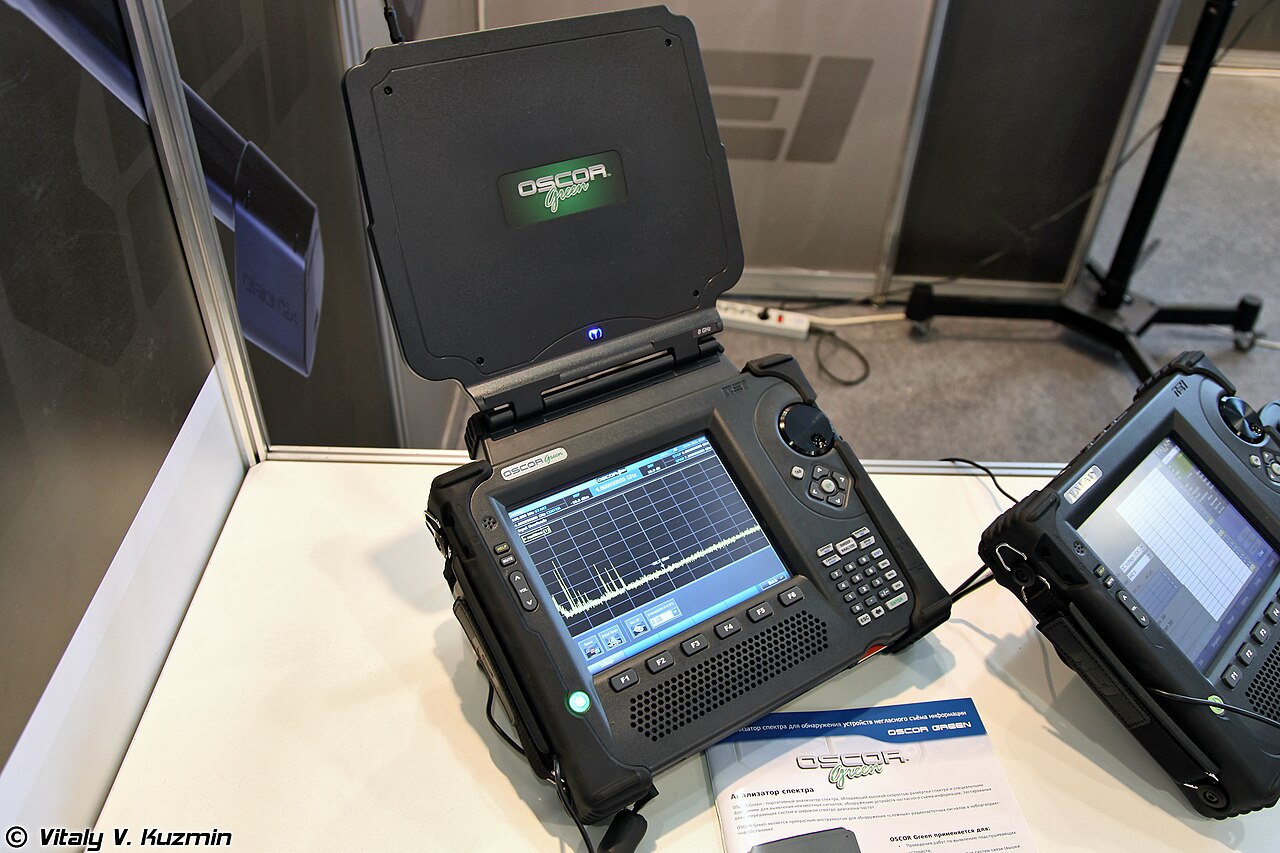
BUILT AROUND YOUR REQUIREMENTS
Understand your electronic exposure.
Privacy deserves a methodical assessment. We scope the environment, investigate concerns and explain the findings.
Broadband detection and signal localization
Nonlinear junction detection within the agreed scope
Physical inspection, findings and remediation priorities
TSCM means Technical Surveillance Countermeasures. It is a systematic physical and electronic assessment for covert surveillance devices, technical vulnerabilities and privacy weaknesses. Corporate espionage, unauthorized recording and tracking can expose information, routines and private activity. The assessment explains what could be collected without authorization and what to do about it.
Technical background: UK NACE’s description of TSCM inspections.
WHY LOOK BEYOND THE OBVIOUS?
An ordinary object.
A different purpose.
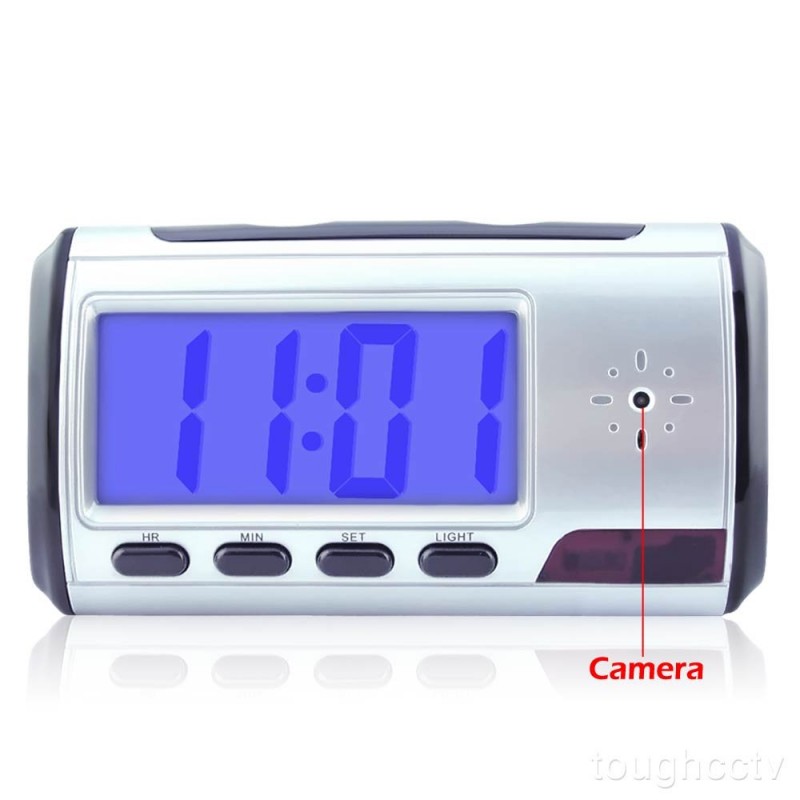
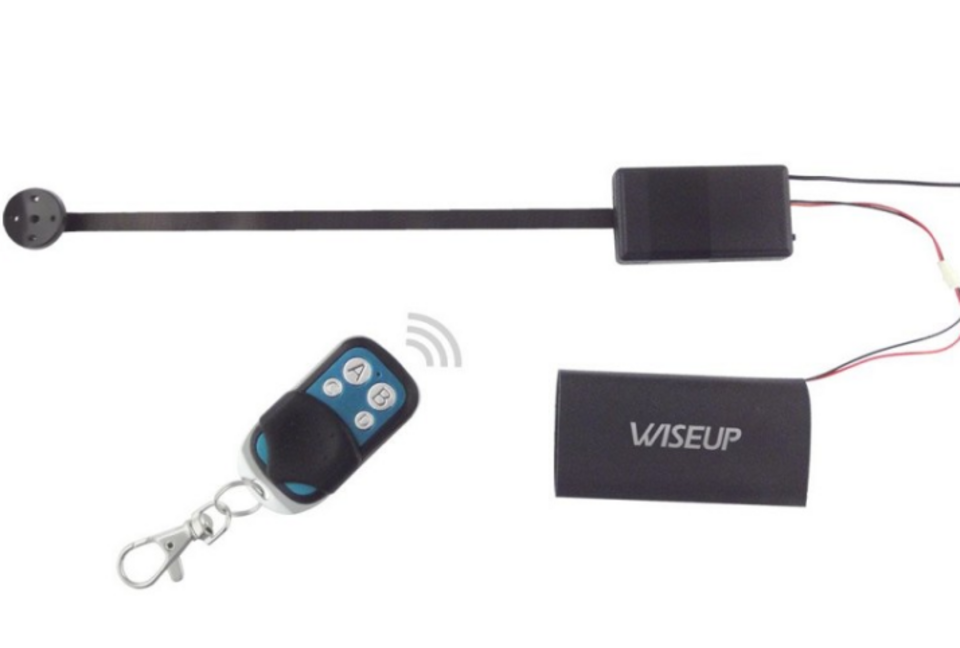
These real device photographs show a camera concealed in a clock and a miniature camera designed to resemble a clothing button. They illustrate why a sweep considers the physical environment as well as the radio spectrum.
Finding an unfamiliar object does not establish hostile intent. A specialist investigates the finding, documents the context and recommends an appropriate response.
Boardrooms + executive offices
Why it matters: Negotiations, legal strategy, acquisitions and proprietary research can be valuable to an eavesdropper.
Assess the agreed space, furnishings, electronics and RF environment before a sensitive meeting or after changes in access.
Hidden cameras + audio devices
Why it matters: A familiar object can conceal a lens or recorder. Recorded images or conversations can expose private activity and confidential information.
Combine physical inspection with appropriate optical, electronic and RF methods. A device that stores locally may not be transmitting during the inspection.
Vehicles + GPS trackers
Why it matters: Unauthorized tracking can reveal routines, destinations and meeting locations, creating a link between privacy exposure and physical risk.
Review suspected tracking, vehicle access and agreed inspection areas. GPS, cellular and Bluetooth tracking are different technologies; a single RF scan does not address every device.
Aircraft + executive travel
Why it matters: An aircraft cabin can become a meeting room. Access during maintenance, servicing or ground handling can change the integrity of that space.
Coordinate an aircraft TSCM sweep with the owner, flight department and authorized maintenance personnel. Define cabin areas, inspection methods and controlled handover before work begins.
Aircraft and vehicle scope background: U.S. Air Force TSCM program guidance, 2019. This is technical background, not a claim of government affiliation or certification.
PHYSICAL PRIVACY + CYBERSECURITY
The room and the network need to be considered together.
A hidden recording device and a compromised connected camera create different investigative questions. TSCM examines the agreed physical and electronic environment; a coordinated cybersecurity review can assess device accounts, remote access, network segmentation, software updates and logging.
Why combine them? Protecting the room helps preserve confidential conversations. Protecting the connected systems helps control who can access the audio, video and information those systems handle.
NBAA: cybersecurity, mobile devices and business-aviation informationDOCUMENTED CASES · WHY AN ASSESSMENT CAN MATTER
Real incidents.
Practical reasons to prepare.
Corporate eavesdropping
In October 2026, the Justice Department announced charges alleging that an employee placed a covert audio recorder in an OpenAI executive conference room used for confidential technical and commercial discussions. The allegations are not a conviction.
GreenJay’s takeaway: include meeting-room electronics, equipment changes and access accountability in the privacy plan.
DOJ account · October 2026Concealed cameras in everyday objects
In a 2021 sentencing announcement, the Justice Department described recording devices disguised as air fresheners, clocks and other objects in hotel rooms. The case shows that physical concealment can matter alongside wireless signals.
GreenJay’s takeaway: consider a scoped privacy assessment for sensitive travel accommodation and unfamiliar meeting spaces.
DOJ sentencing announcement · 2021Tracking before a robbery
A 2026 federal indictment alleges that a GPS tracker was used to follow victims before the June 2025 armed robbery of a touring music artist. The charges are allegations.
GreenJay’s takeaway: assess suspected tracking alongside travel routines, vehicle control and the broader protection plan.
DOJ indictment announcement · 2026When should you discuss a sweep?
Before a confidential board meeting or transaction; after renovation, equipment installation or uncontrolled third-party access; ahead of sensitive travel; or when there is a specific concern about recording or tracking. The assessment begins with your exposure, the space and the information at risk.
Discuss a Confidential TSCM AssessmentTECHNICAL SURVEILLANCE COUNTERMEASURES
Measure the environment.
Investigate the anomaly.
A professional TSCM assessment combines specialist instruments, physical inspection and experienced interpretation. The inspection scope determines the tools and the level of assurance.
Spectrum analyzers
Display radio-frequency activity across a selected range. A specialist compares the environment, investigates signals and documents anomalies rather than treating every transmission as a threat.
Broadband RF detectors
Help localize nearby transmitting devices by following changes in received signal strength. They complement detailed spectrum analysis and a methodical physical inspection.
Nonlinear junction detectors
Look for the harmonic response of electronic junctions, including electronics that are not actively transmitting. Findings require discrimination from benign electronics and other responses.
Audio, line + physical inspection
A scoped assessment can include wired-path inspection, audio testing and examination of accessible spaces, furniture and equipment. The instruments are selected for the actual environment.
Define the scopeEstablish the RF baselineInspect + investigateDocument + remediate
Instrument examples and technical background: REI spectrum analysis, broadband detection and nonlinear junction detection. The main photograph shows an OSCOR Green, a dedicated counter-surveillance spectrum analyzer. Field photographs show nonlinear-junction inspection in practice.
REAL INSPECTION PHOTOGRAPHY
Specialist equipment.
Methodical fieldwork.
A sweep combines measurements with a physical inspection. These field photographs from GreenJay project documentation show a nonlinear-junction detector being used to examine accessible surfaces and materials.
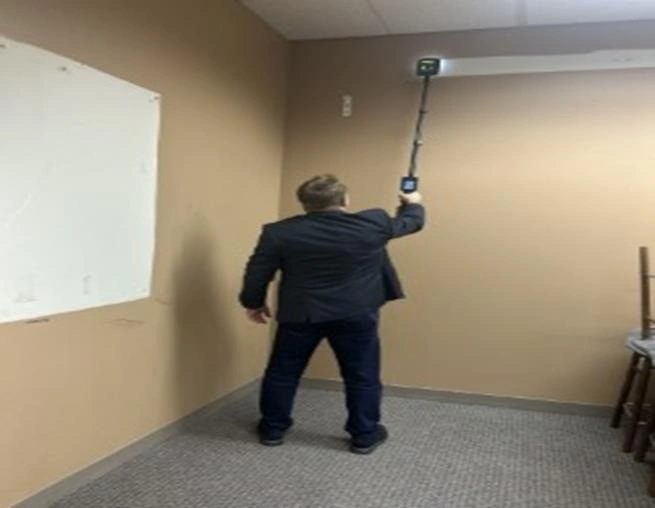
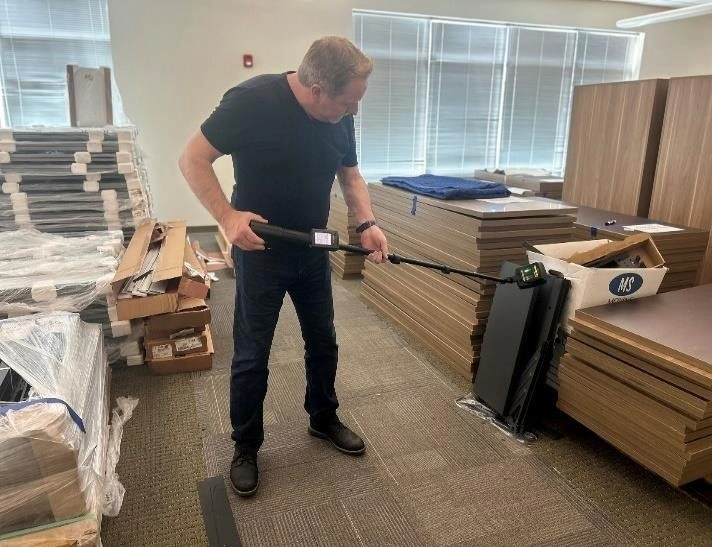
Why use more than one method? RF analysis helps investigate signals. Nonlinear-junction detection can help identify electronic junctions even when a device is not transmitting. Physical inspection and experienced interpretation determine what a finding means in context.
THE GREENJAY METHOD
Planned. Integrated. Validated.
Privacy verified, not assumed
Define the inspection scope, establish an RF baseline, investigate anomalies and document findings. The level of assurance depends on access, inspection scope and the controls maintained afterward.
GREENJAY INSIGHTS
Understand the decisions behind the design.
TSCM + privacy · 3 min read
Hidden cameras, tracking devices and TSCM: privacy needs more than an app
What a scoped technical-surveillance-countermeasures inspection can assess, how spectrum analysis and nonlinear detection differ, and where AI-assisted review fits.
Read the articleOriginal briefs · TSCM · 2 min read
An RF baseline is a reference—not a certificate that a property is clear
How a scoped RF baseline survey supports technical privacy, construction reviews and investigation of changing electronic environments.
Read the articleSTART WITH A CONVERSATION
Discuss a TSCM assessment.
Describe the general inspection setting and timing. We will coordinate the technical scope and appropriate next step before sensitive details are shared.
Nationwide coverage through GreenJay’s security network.
(844) 722-3706(845) 932-0624