THE PRACTICAL ANSWER
Technical Surveillance Countermeasures combines a scoped physical and electronic inspection with specialist analysis. No single detector, phone application or AI claim can establish that every hidden device has been found.
Why the concern is real
A February 2025 DOJ sentencing announcement described cyberstalking conduct that included using a GPS tracking device against a victim. It is one documented case of technology-enabled abuse, not evidence that every privacy concern involves a device. The response should begin with the facts of the particular concern.
Executives, property operators and private clients may need to assess meeting spaces, vehicles or other authorized environments after an access change, a credible concern or a sensitive assignment. Preserve the distinction between suspicious activity, a technical observation and a confirmed finding.
Reference: DOJ: sentencing involving cyberstalking and a GPS tracking device · February 2025
Different tools answer different questions
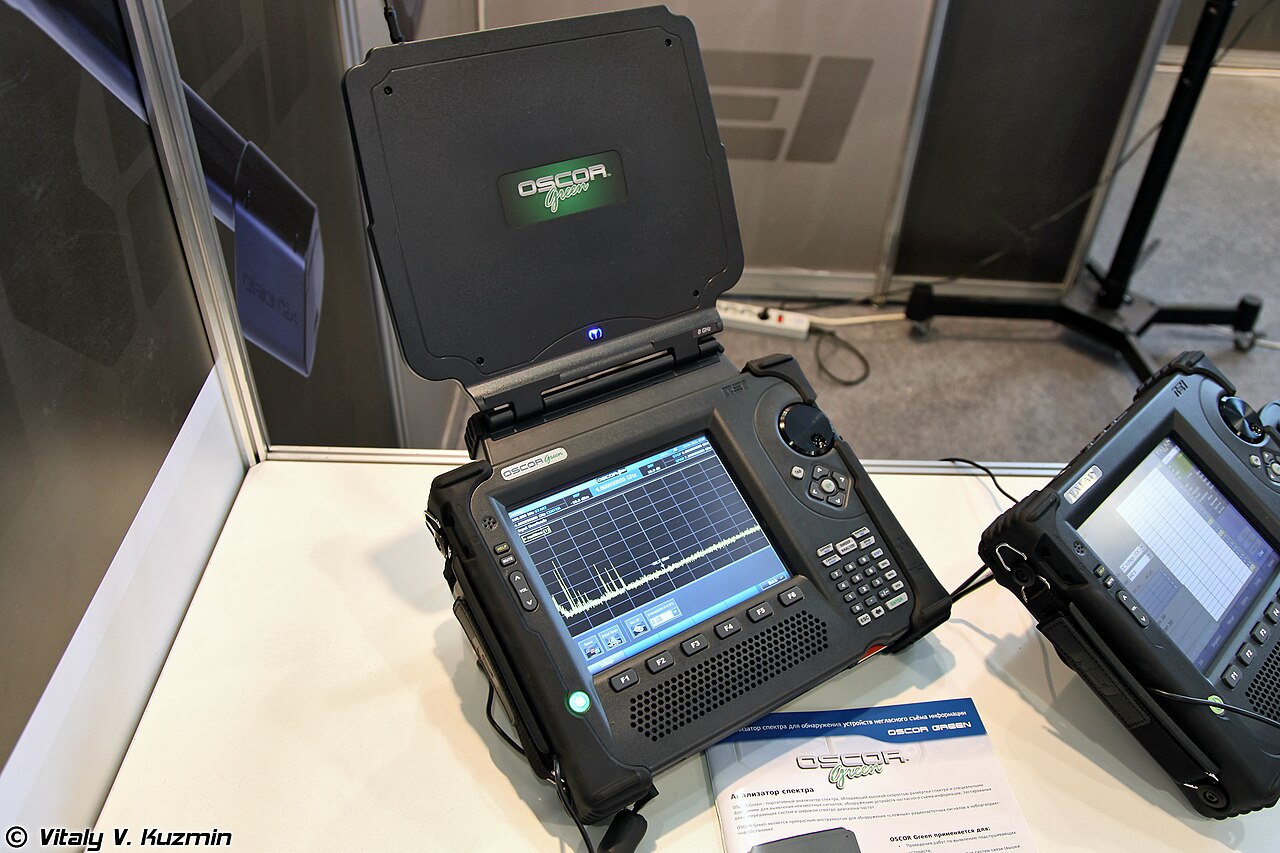
Spectrum analysis examines radio-frequency activity within the equipment’s capability and the agreed scope. A nonlinear junction detector can help an operator investigate the presence of semiconductor electronics, including some devices that are not actively transmitting. Physical inspection adds a different line of evidence. Each method has limitations and requires interpretation.
Research Electronics International documents specialist equipment including OSCOR spectrum analyzers and ORION nonlinear junction detectors. A product photograph on this page identifies the type of tool; the instruments and methods for an actual GreenJay inspection are selected for its scope. An equipment brand alone does not establish the completeness of a sweep.
Reference: Research Electronics International: specialist counter-surveillance equipment
AI can assist analysis; it does not create certainty
Suitable analytical tools can help organize observations, compare recorded patterns and prioritize items for specialist review. Those are support functions. A model-generated label is not a finding that a particular object is a covert device, and an absence of flagged activity is not proof that a room is clear.
A device may store information locally, transmit intermittently or sit outside a particular instrument’s coverage. The inspection needs to account for those possibilities within its agreed access and technical limits. The written findings should explain the work performed and the remaining limitations.
Vehicles, aircraft and digital exposure need explicit scope
A vehicle or aircraft inspection requires permission from the responsible owner or operator and appropriate coordination. Specify what areas and systems can be examined, who controls access afterward and how any concern will be escalated. Aircraft work must respect the operator’s safety and maintenance requirements.
A physical sweep also does not resolve every digital risk. Compromised accounts, remote access and publicly exposed information need a separate cybersecurity or digital-protection assessment. GreenJay coordinates those disciplines so the client understands what each service does and where further work is required.
The deliverable should be understandable
Ask for a defined scope, an explanation of methods, documented observations and practical next steps. If a suspicious item is identified, follow the agreed evidence-handling and escalation process rather than experimenting with it.
GreenJay treats TSCM as part of a broader privacy program that includes access governance, vendor control and appropriate follow-up. A discreet conversation about the environment and the concern is the starting point; do not post sensitive meeting locations or security details into a public chat.
- Define the concern, authorized environment and access.
- Use complementary inspection methods.
- Keep AI-assisted observations separate from confirmed findings.
- Review the environment after relevant access or equipment changes.
Questions clients ask
Does TSCM stand for TS/SCI?
No. TSCM means Technical Surveillance Countermeasures. TS/SCI refers to a classified-information access designation and is not the name of counter-surveillance equipment.
Can a spectrum analyzer find every hidden camera?
No. An inspection may need complementary physical and electronic methods. Some devices may not transmit during the inspection or may fall outside an instrument’s capability.
Translate the idea into your environment.
GreenJay connects systems, trained personnel and operating procedures around the assignment. Start with the property, people and decisions that need attention.
Discuss this serviceExplore the service