THE PRACTICAL ANSWER
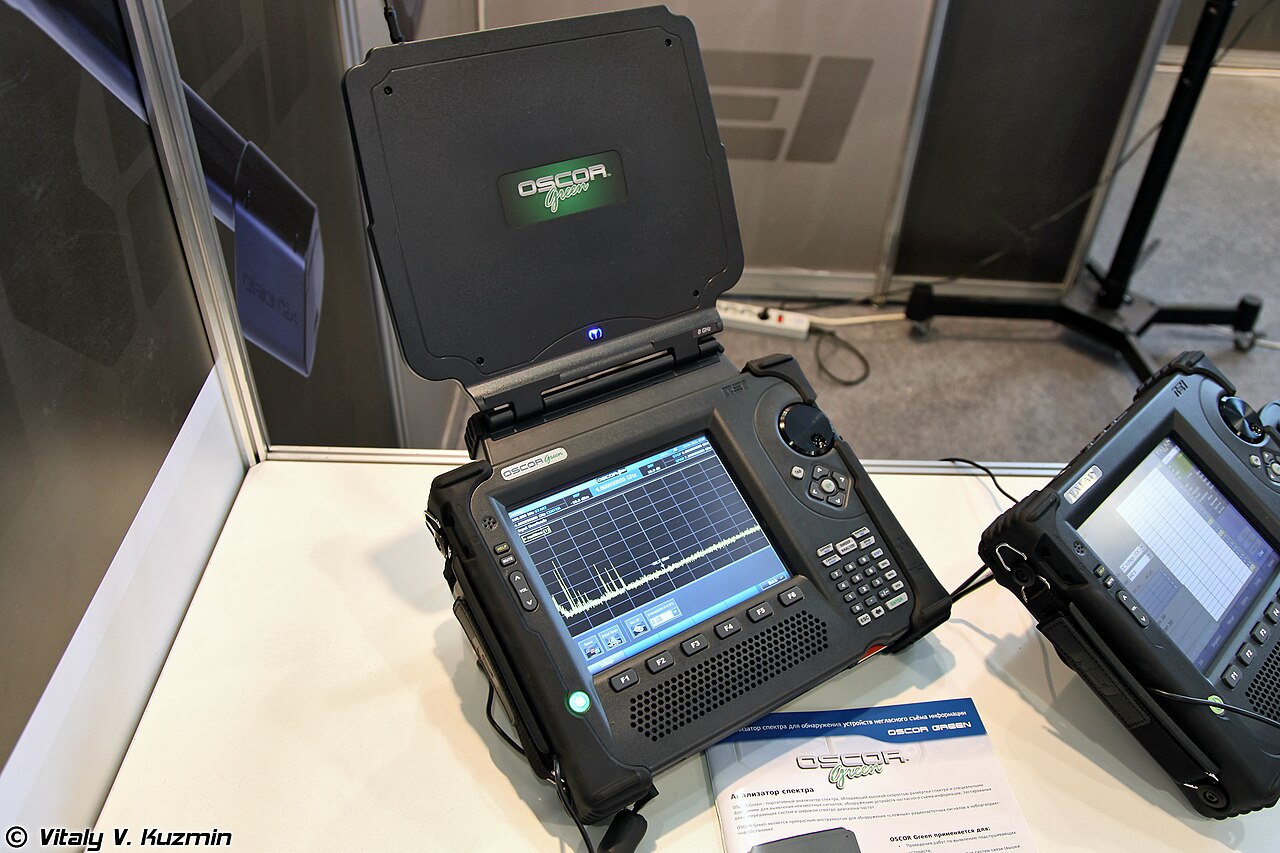
An RF baseline records observations under defined conditions so later activity can be compared intelligently. An unfamiliar signal requires investigation; a familiar-looking spectrum does not prove the absence of covert equipment.
Record the conditions behind the observation
GreenJay’s original RF-baseline brief emphasized understanding a property before evaluating change. That remains useful, provided the scope and limitations travel with the record. Note the environment, time, authorized areas, instruments and relevant conditions rather than presenting one trace as the permanent electromagnetic identity of a building.
Nearby infrastructure, the property’s own devices and ordinary operational changes can affect observations. A useful reference explains what was examined and how the observations were interpreted. It should be possible for a qualified reviewer to understand the comparison later.
A change is a question to investigate
An unfamiliar emission may have an ordinary explanation, such as new equipment or a change in the surrounding environment. An apparently routine observation may still need attention in a sensitive setting. Classification depends on context and specialist investigation, not the novelty of a signal alone.
Suitable analysis tools, including appropriately validated automated comparison, can help prioritize observations. They do not turn a spectrum display into proof of espionage. Keep analytical suggestions separate from confirmed findings and retain the underlying evidence for review.
Construction changes the baseline
An active project introduces tools, temporary networks, contractors and new building systems. Later, commissioning changes the environment again. Plan reference observations around meaningful phases and document changes that explain the difference between them.
GreenJay connects this work to access governance and appropriate physical inspection. A technical privacy program is stronger when the team knows who entered the relevant space and which equipment changed. A single survey should not replace that operating context.
Use complementary methods and a scoped report
RF inspection is one component of TSCM. Physical examination and suitable nonlinear junction detection can contribute different observations. REI’s product documentation distinguishes spectrum analyzers from nonlinear detectors; the appropriate methods must still be selected and interpreted for the assignment.
Request an understandable report: scope, methods, significant observations, limitations and next steps. Clarify what would justify a follow-up review, such as a credible concern, relevant access change or alteration to a sensitive environment.
Reference: Research Electronics International: specialist counter-surveillance equipment
Questions clients ask
Does a new RF signal prove a listening device is present?
No. It is an observation to investigate in context. Ordinary equipment and environmental changes can create unfamiliar activity.
Should a baseline be revisited after construction?
It can be appropriate when construction or commissioning materially changes the electronic environment. The review should follow the agreed privacy scope.
Translate the idea into your environment.
GreenJay connects systems, trained personnel and operating procedures around the assignment. Start with the property, people and decisions that need attention.
Discuss this serviceExplore the service