THE PRACTICAL ANSWER
Effective intrusion detection connects a sensor event to a meaningful zone, available verification and a named response responsibility. The system must also reflect how the building is actually used.
Design around the building’s real operating states
A multi-tenant building is not simply open or closed. Cleaning teams, late-working staff, deliveries and contractors may need different access patterns. A luxury property has its own routines, service entrances and privacy expectations. Treating every space as the same zone creates exceptions that are difficult to manage.
Begin with the periods and areas that should be protected. Define how an authorized user changes the system’s state, what should happen if a door remains open, and how temporary arrangements are recorded. The design should be understandable to the people who arm, disarm and supervise it.
Use the right detection layer for the problem
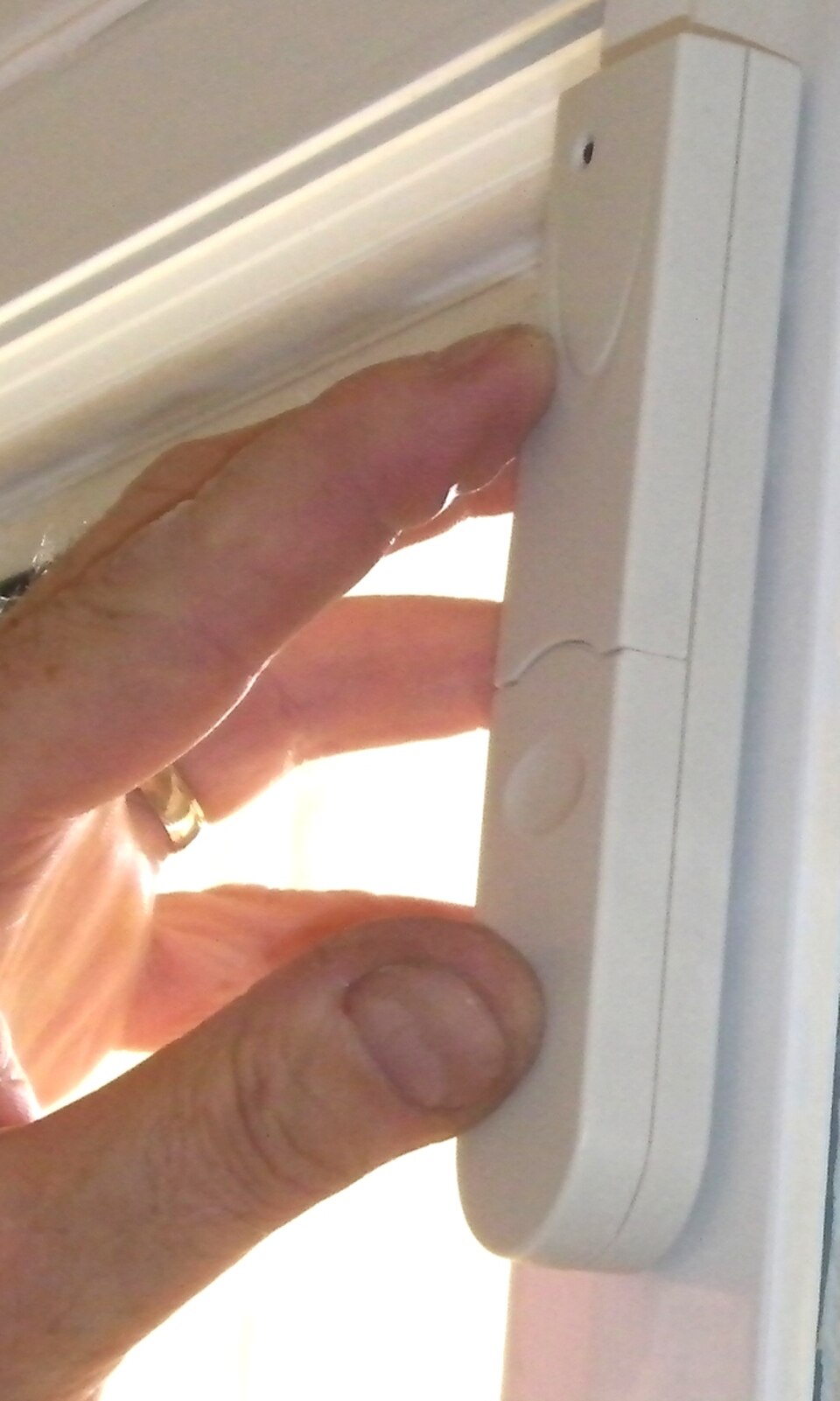
Door contacts, motion detectors, glass-break devices and suitable perimeter technologies answer different questions. Selection and placement should consider the environment, expected activity, physical layout and the product’s actual operating limits. A plan for one property should not be copied blindly to another.
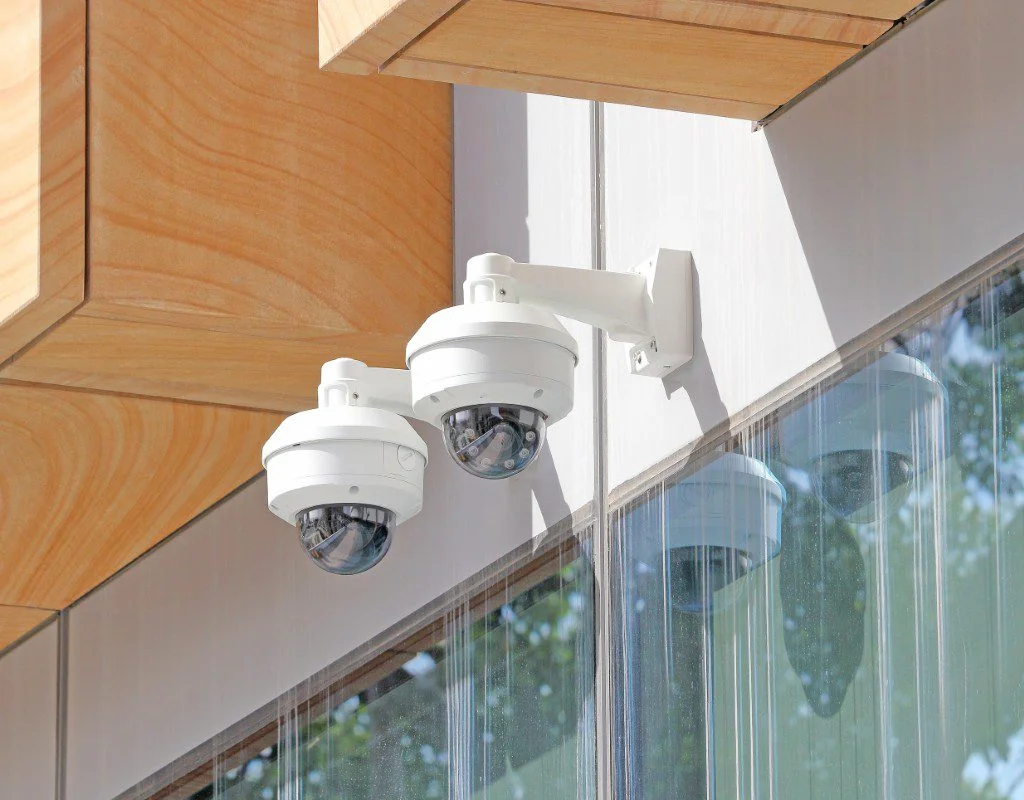
Camera coverage can provide useful context for an alarm zone, where the integration supports it. Configure the event so staff know which view is relevant. A generic notification followed by a search through dozens of cameras wastes the value of the connection.
What a documented failure can teach
GSA’s April 2024 baseline directive followed findings that some federal facilities had inoperable surveillance and intrusion equipment and lacked necessary maintenance arrangements. The case demonstrates an operational gap: equipment ownership and continued function require attention, not just installation approval.
GreenJay’s recommendation is to make testing and maintenance part of the original scope. Include sensor activation, event delivery, authorized verification, escalation and the restoration of the affected zone. Record what was actually tested and who owns follow-up.
Reference: GSA: baseline video-surveillance and intrusion-detection standards · April 2024
AI can add context without deciding intent
Supported camera analytics can help distinguish a configured person or vehicle event from irrelevant motion. Combining that context with access activity and a sensor event may help an operator investigate faster. The value depends on configured integrations and tested conditions.
AI is not a guarantee against false alarms. It should not independently label a visitor dangerous, cancel a credible alarm or replace the agreed response. Review nuisance alerts and missed events with the people who operate the property, then adjust the design and procedures deliberately.
Test the exception as carefully as the routine
Ask what happens when communications are interrupted, a device fails or an expected notification is not acknowledged. Appropriate backup power and communications need to be selected for the site and documented as part of the response design.
GreenJay approaches intrusion detection as part of an integrated security architecture: sensors, access control, cameras, trained personnel and supervision considered together. Start with the building’s operating routines and the response you need to achieve.
- Define meaningful zones and authorized exceptions.
- Connect alarm locations to relevant verification.
- Assign notification, escalation and maintenance responsibilities.
- Test failures and restore the system after each exercise.
Questions clients ask
Can intrusion alarms connect to camera verification?
Yes, where the chosen systems support the integration. The alarm zone, relevant camera views and operator workflow need to be configured and tested together.
Will AI eliminate nuisance alarms?
No. Suitable analytics can support verification, but placement, environmental conditions, maintenance and human review remain important.
Translate the idea into your environment.
GreenJay connects systems, trained personnel and operating procedures around the assignment. Start with the property, people and decisions that need attention.
Discuss this serviceExplore the service