THE PRACTICAL ANSWER
A refined AV experience depends on the infrastructure behind it. Segment appropriate systems, define permitted communications and manage remote access so convenience does not depend on undocumented exceptions.
Start with the devices and the people who support them
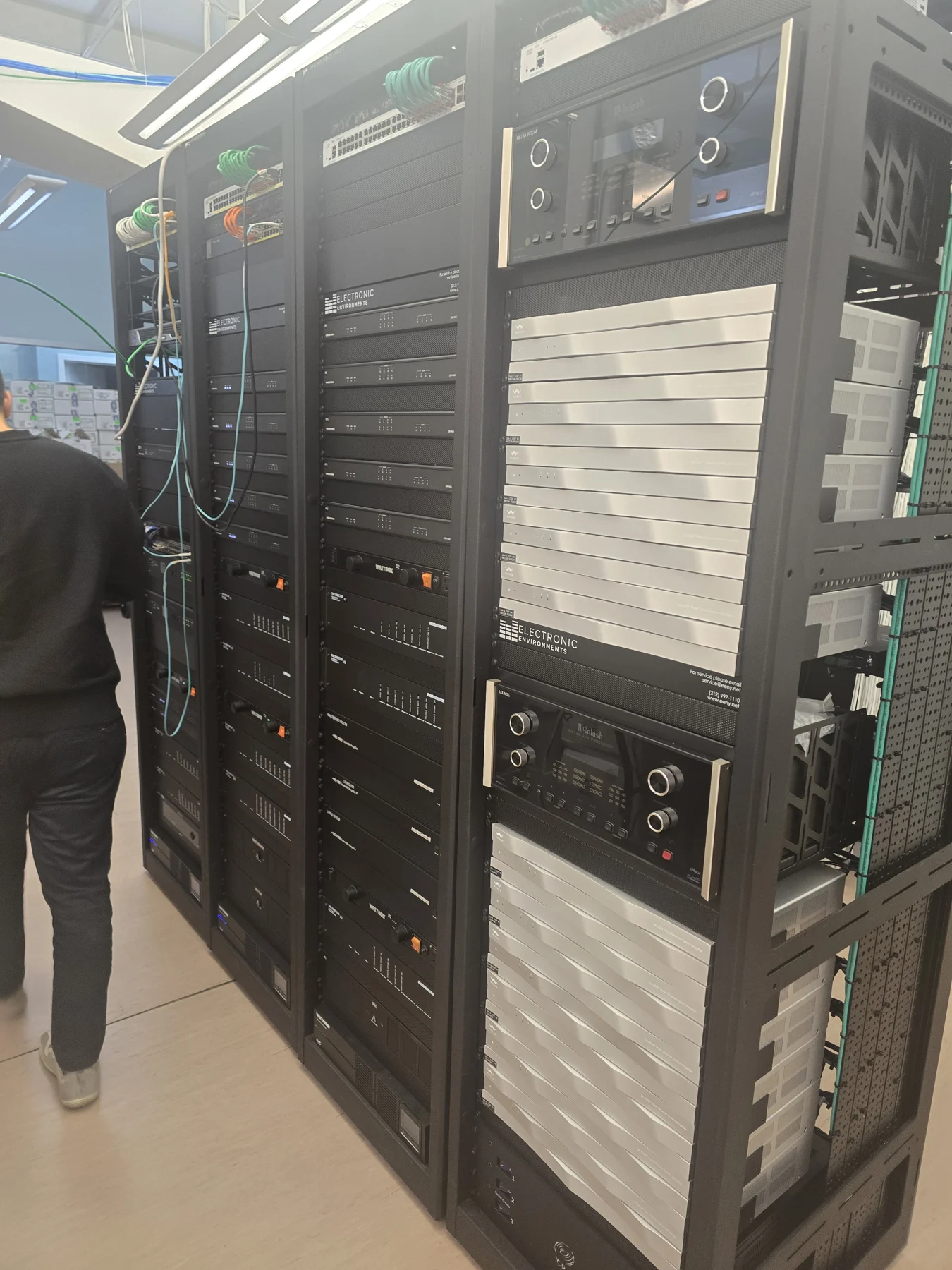
GreenJay’s original network-segmentation and AV/IT briefs described a common coordination problem: several trades install connected devices, but the client inherits unclear support and access arrangements. Begin with an inventory of systems, their owners and the communications each actually needs.
A display, controller, camera, building device and staff workstation need not share identical access. Determine how the intended experience works, then design the network and management arrangements around it. A collection of VLAN names without appropriate policies is not a complete segregation strategy.
Define the connections instead of opening everything
Segmentation is useful when it supports an understandable policy. Identify the required flows between relevant systems and test the intended functions. Avoid leaving broad access in place simply because a temporary installation workaround made a device start working.
Document appropriate management access separately from ordinary use. The homeowner, building staff and support vendor may need different capabilities. A routine service call should follow a known process rather than depend on a forgotten account or an always-open remote connection.
Preserve the architectural and operating experience
Motorized or concealed displays, audio distribution and control points should be coordinated with the architecture and installation schedule. Provide appropriate access for maintenance. A beautiful finished surface is a poor place to discover that a critical device cannot be serviced.
GreenJay’s approach considers AV, IT and security together. Test their interaction under realistic use: multiple users, expected control sequences, relevant video viewing and the support conditions the client will actually encounter. Integration should simplify operations without concealing ownership of a failure.
Treat testing and handover as part of the design
Before acceptance, identify what was tested, what remains open and who maintains the design. Record the network, authorized management paths and the changes that matter to ongoing support. Sensitive credentials belong in an appropriate controlled handover process.
For luxury residential and commercial environments, the objective is a system that feels considered and can be maintained. Ask GreenJay to explain the hidden infrastructure as clearly as the visible experience.
- Inventory devices and support responsibilities.
- Define segmentation and required system connections.
- Control vendor access and document changes.
- Test the user experience and the management process together.
Questions clients ask
Is creating VLANs alone enough to secure a property network?
No. VLAN design needs appropriate policies, permissions, management access, maintenance and testing.
Can AV systems be coordinated with security integration?
Yes. GreenJay can assess the equipment, workflows and infrastructure so the agreed systems operate within a coordinated design.
Translate the idea into your environment.
GreenJay connects systems, trained personnel and operating procedures around the assignment. Start with the property, people and decisions that need attention.
Discuss this serviceExplore the service